
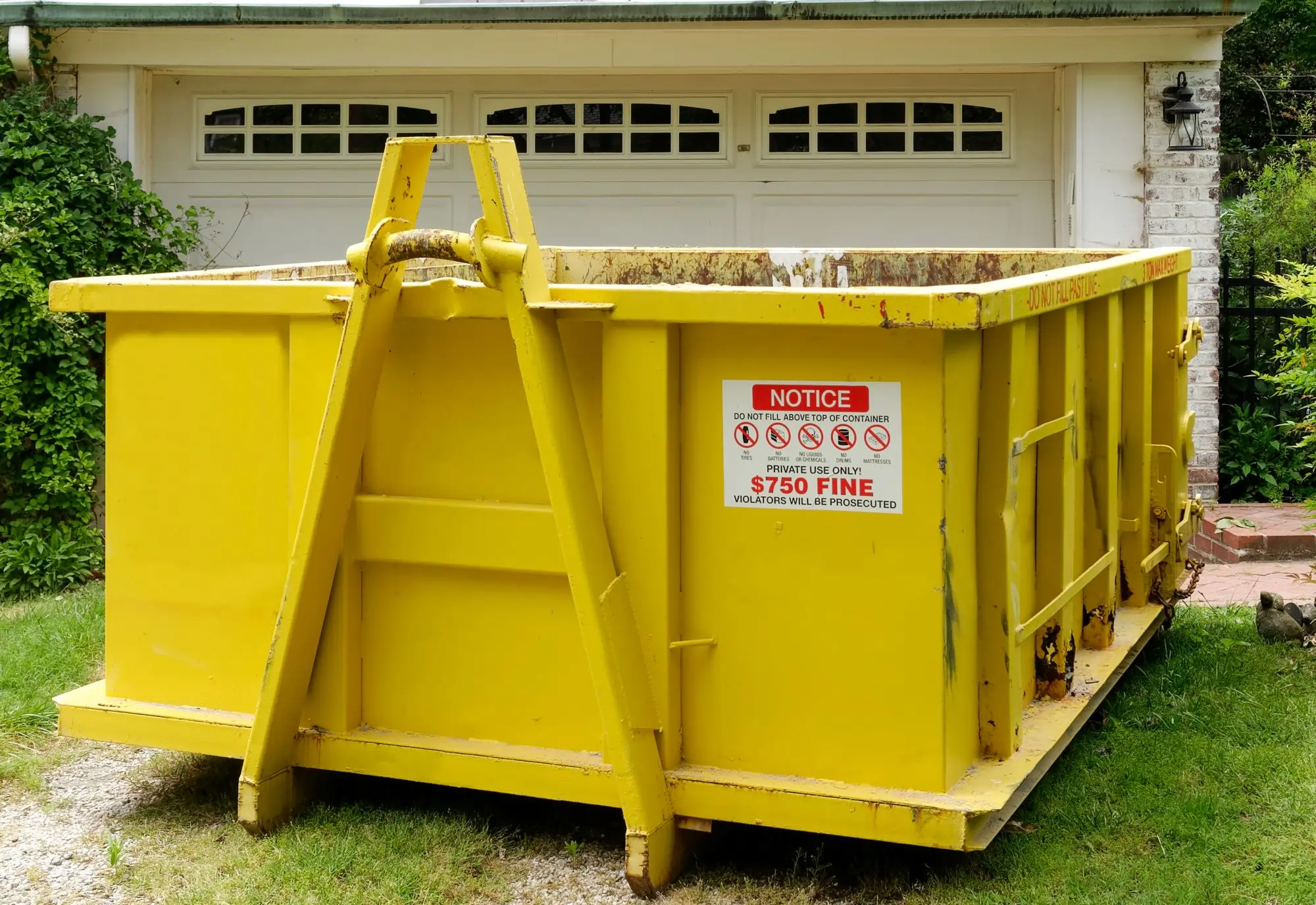
Common bin rental mistakes often lead to extra costs, missed pickups, or project delays when key details like sizing, placement, and material type are overlooked. These issues typically come from real-world operational constraints such as transport safety limits, disposal rules, and access requirements rather than simple user error. While these mistakes apply to both residential and commercial projects, the impact is often greater on commercial jobs where volume, weight, and scheduling pressure are higher. Yellow Bins helps customers avoid these problems by aligning bin selection and usage with actual project conditions in Edmonton.
Choosing the Wrong Bin Size for Your Project
Selecting the wrong bin size is one of the most common mistakes because it directly affects cost, efficiency, and whether the job can be completed in one haul. A practical way to estimate size is to compare your project to pickup truck loads or typical job types, which helps prevent underestimating volume.
If a bin is too large, the impact is not limited to cost. Larger bins require more space for placement and may not fit in tighter residential or urban locations, which can create delivery challenges.
Underestimating Volume vs Overestimating Cost Savings
Underestimating volume often leads to ordering a bin that fills too quickly. This results in either overfilling, which prevents pickup, or needing a second bin. In most cases, multiple hauls exceed the cost of selecting the next bin size up from the start.
Overestimating size to avoid that risk can reduce cost efficiency if the included volume and weight are not used. Larger bins include higher weight allowances, and unused capacity does not offset the higher base price.
The correct approach is to match bin size to both volume and material type. Projects with bulky but light waste differ from dense materials like shingles or soil, where weight limits are reached before the bin is full.
Overfilling or Improperly Loading the Bin
Improper loading creates safety issues and is a common reason bins are not picked up as scheduled. Bins must be loaded level with the top edge and within safe transport limits to be eligible for removal.
Why Overfilled Bins May Not Be Picked Up
Bins that are filled above the top edge or have material extending beyond the sides are typically refused at pickup due to transport safety regulations. Drivers are not permitted to adjust or remove material from the bin.
If a bin is overfilled, it must be corrected on site before pickup can occur. This often results in delays and may trigger additional service or return-trip charges.
Safe and Efficient Loading Practices
Loading should follow a structured approach. Heavier materials should be placed at the bottom, with lighter materials layered on top to prevent shifting and maximize space.
Uneven loading can create lifting and transport issues. Weight should be distributed evenly across the bin to avoid imbalance during pickup. Avoid leaving large voids or stacking materials unevenly, as this reduces usable capacity and can lead to instability.
Placing the Bin in the Wrong Location
Placement mistakes can delay delivery, prevent pickup, or cause property damage if conditions are not suitable. Placement should be assessed before delivery based on access, clearance, and surface conditions.
Access Issues That Delay Delivery or Pickup
Bins require sufficient width, overhead clearance, and turning space for delivery trucks. Narrow driveways, blocked access points, or low obstacles can prevent proper placement or removal.
If access is restricted at the time of delivery or pickup, service may be delayed or rescheduled. In some cases, additional charges may apply for return visits if access is not available.
Surface Damage and Clearance Problems
Placing a bin on soft ground, uneven surfaces, or finished driveways can lead to surface damage. Responsibility for surface condition and potential damage typically falls on the property owner or customer.
Protective measures such as placing boards or barriers under the bin can reduce the risk of damage, especially for heavier loads or extended rental periods.
Overhead clearance must also be considered. Obstacles such as power lines, tree branches, or structures can interfere with safe placement and removal.
Disposing of Restricted or Hazardous Materials
Incorrect disposal is a frequent cause of unexpected charges or rejected loads. Materials fall into two categories, those that are prohibited and those that are accepted with additional fees.
Items That Trigger Extra Fees or Rejection
Certain materials such as hazardous waste or regulated substances are not accepted and will result in load rejection or required removal. Other materials, including treated wood, drywall, or specific construction debris, may be accepted but incur additional disposal charges.
If restricted materials are discovered after pickup, the load may be subject to post-processing fees or may require return and sorting. Improperly mixed loads can also lead to contamination charges, increasing total cost.
Booking Too Late for Your Project Timeline
Waiting too long to book a bin can limit availability and create scheduling conflicts, especially during peak periods such as spring cleanups, construction season, or high-demand renovation periods.
Booking several days to a week in advance is generally recommended to secure the correct bin size and delivery window. Short notice bookings may result in limited options, delayed delivery, or the need to adjust project timelines.
How Yellow Bins Helps You Avoid These Issues
Yellow Bins provides specific guidance before booking to help customers select the correct bin size, confirm placement conditions, and understand material restrictions. This includes recommendations based on project type, expected volume, and disposal requirements.
Customers can review service details and available bin options directly through the Edmonton bin rental team to align their project setup with operational requirements.
This approach reduces the likelihood of overfilling, access issues, disposal problems, and scheduling delays by addressing the most common failure points before delivery.