
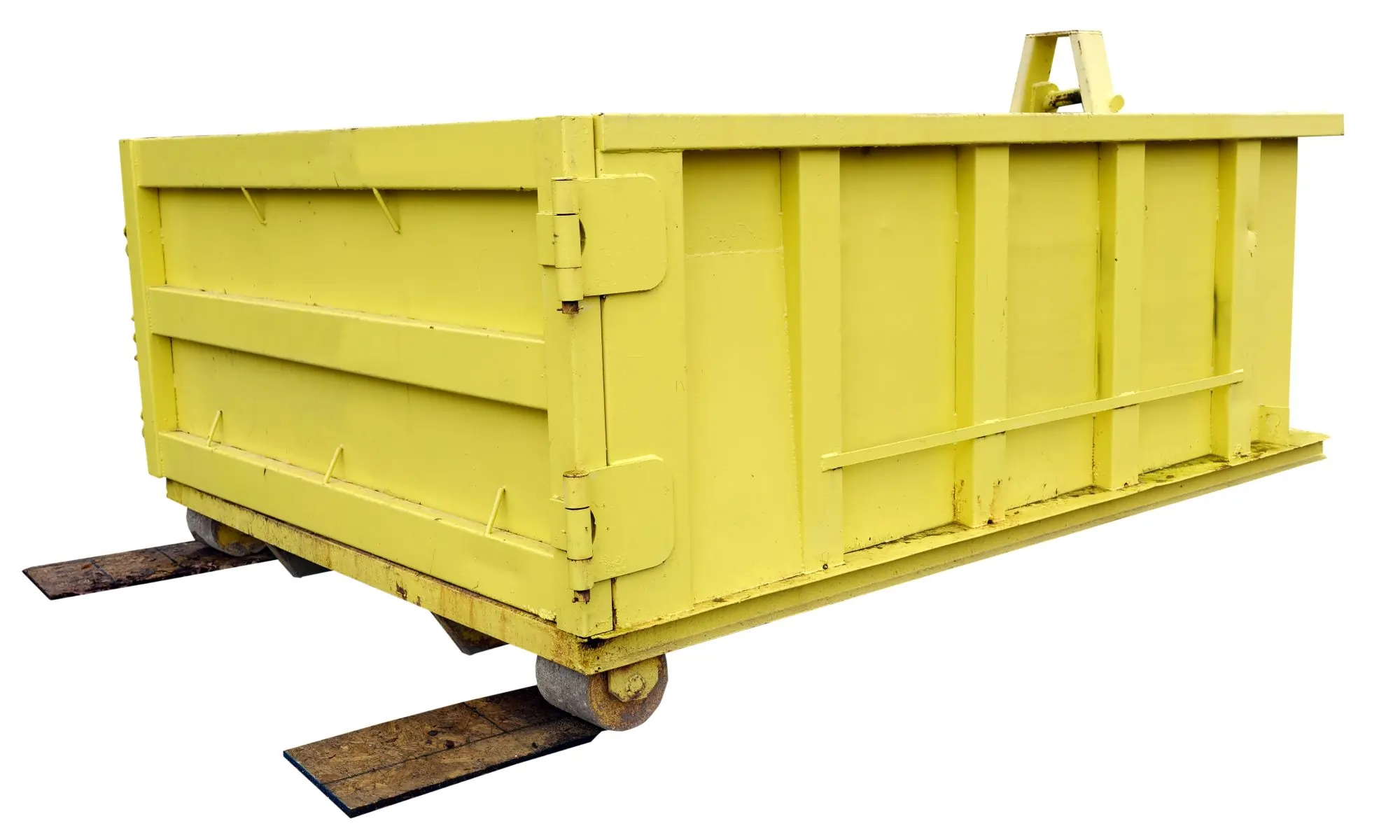
Bin rental cost in Edmonton depends on bin size, weight limits, rental duration, and disposal type, with most projects falling into predictable price ranges when those factors are understood upfront. While base pricing gives a starting point, the final cost is shaped by how the bin is used, how long it stays on site, and what materials are disposed of. Most listed price ranges reflect typical all-in pricing under standard conditions, including delivery, pickup, and basic disposal, but do not include overages or special material charges. Yellow Bins provides bin rentals across Edmonton with pricing structured around these variables so customers can estimate total cost before booking. Pricing may also vary slightly depending on service area, access conditions, or distance within Edmonton and surrounding zones.
Average Bin Rental Prices by Size in Edmonton
Understanding how pricing scales with bin size is the easiest way to estimate your starting cost. Larger bins come with higher base rates, but they also include more weight capacity, which improves cost efficiency on heavier projects by reducing overage charges and the need for multiple hauls.
| Bin Size | Typical Price Range | Included Weight | Common Use Cases |
| 9 Yard | $300 to $450 | 1 to 2 tonnes | Small cleanups, yard debris |
| 12 Yard | $350 to $500 | 2 to 3 tonnes | Medium renovations, roofing |
| 20 Yard | $450 to $650 | 3 to 4 tonnes | Large cleanouts, light construction |
| 30 Yard | $550 to $750 | 4 to 5 tonnes | Major renovations, bulky waste |
| 40 Yard | $650 to $900 | 5 to 6 tonnes | Commercial or large-scale projects |
These ranges assume standard rental periods, accessible placement, and general mixed waste. Clean loads or specific material types can change pricing depending on disposal requirements. Smaller projects often align with a 9 yard bin or a 12 yard bin, while larger cleanouts or renovation jobs typically require more capacity.
What’s Typically Included in a Bin Rental Price
Base pricing typically includes delivery, pickup, a fixed rental period, and a defined weight allowance. It does not include weight overages, extended rental time, or additional charges for restricted or specialized materials.
Standard Rental Period and Weight Allowance
Most rentals include a fixed rental period, commonly between 5 and 7 days, along with a set weight allowance tied to bin size. Staying within both the time and weight limits keeps the cost within the base rate.
If both time and weight limits are exceeded, charges are applied independently. Weight is typically measured at certified disposal facilities using scale systems, and overages are calculated based on actual recorded weight.
Choosing a mid-range option like a 20 yard bin can help balance volume and included weight for most renovation projects.
Delivery and Pickup Coverage
Delivery and pickup are typically included within standard service areas in Edmonton. Standard placement conditions generally mean accessible driveways or open job sites without obstructions.
Additional fees may apply if the bin requires special placement, such as alley access, tight clearances, restricted drop zones, or street placement. In some cases, placing a bin on the street may require a permit depending on municipal requirements.
What Increases the Cost of a Bin Rental
Costs increase when usage moves outside standard assumptions. Most unexpected charges are tied to weight, time, material type, or improper sorting.
Weight Overages and Heavy Materials
Weight overages occur when the contents exceed the included tonnage. Materials like concrete, dirt, shingles, and mixed construction debris reach weight limits quickly, even if the bin is not physically full.
Overage charges are typically calculated per additional tonne based on disposal facility rates. Dense materials can reach weight limits before filling the bin, while lighter materials may fill the bin without exceeding weight limits.
For heavier jobs, a 30 yard bin can help reduce the likelihood of exceeding weight thresholds.
Extended Rental Time
Keeping a bin beyond the included rental period leads to additional charges, most commonly applied on a per-day basis after the initial rental window.
These charges can accumulate if project timelines shift due to delays, scheduling changes, or extended work scopes.
Restricted or Special Disposal Items
Certain materials require special handling or are restricted from standard disposal. Some items are prohibited entirely, while others are accepted with additional charges.
If restricted or surcharge materials are discovered after pickup, additional fees may be applied once the load is processed at the disposal facility. Improperly mixed loads can also result in contamination charges.
Cost Differences Between Residential and Commercial Rentals
Residential and commercial bin rentals differ based on volume, material type, and service frequency. Residential projects are typically one-time rentals with lighter materials and predictable timelines.
Commercial projects often involve ongoing service, higher volumes, heavier materials, and multiple bin swaps. This increases both base cost and variability, as final pricing depends more heavily on weight fluctuations and material consistency. High-volume jobs commonly rely on a 40 yard bin to manage disposal efficiently.
How to Estimate Your Total Cost Before Booking
Estimating total cost requires combining bin size, expected material weight, and rental duration. A practical approach is to select a bin size, estimate whether the material is light or heavy, and factor in whether the project will stay within the included rental period.
Estimates are most accurate when material type and project duration are clearly defined. If weight or timeline is uncertain, adding a buffer for overage or extra days improves cost predictability.
If the material is heavy, choosing a larger bin with a higher weight allowance can reduce overage costs. If the project timeline is uncertain, factoring in extra days avoids unexpected extension fees.
Projects that mix materials should account for potential sorting or disposal surcharges. Clear separation of materials where possible helps maintain predictable pricing.
How Yellow Bins Provides Transparent Pricing in Edmonton
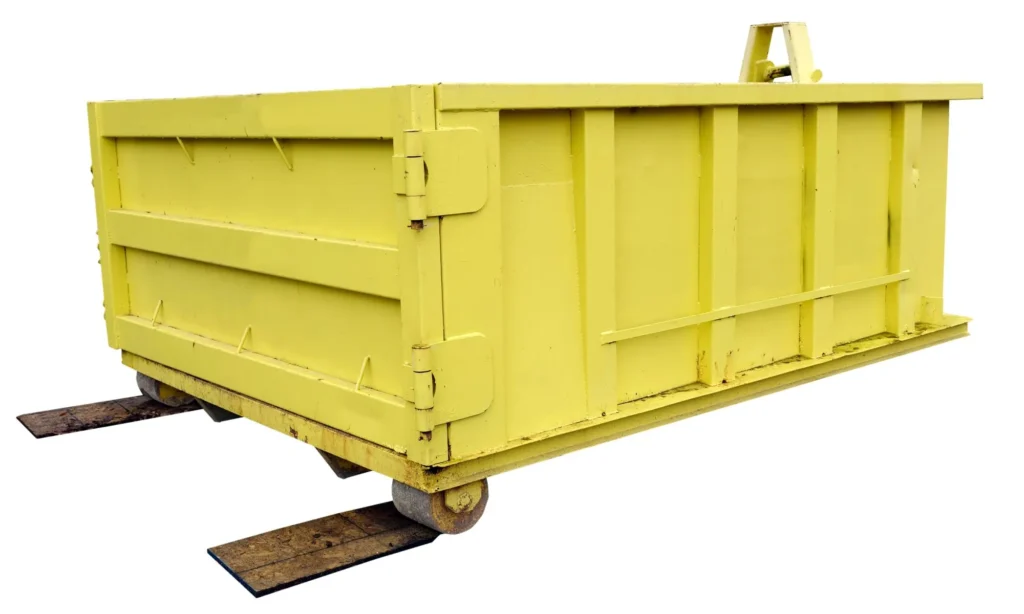
Yellow Bins structures pricing around clearly defined base rates, included weight limits, and disclosed overage and extension rates before booking. Quotes are typically provided with a breakdown of included services and conditions that may affect final cost.
Customers can explore full pricing and service details directly through Yellow Bins to match project size, material type, and expected usage.
Transparent pricing means the base rate, including tonnage, rental period, and potential additional charges are clearly outlined upfront, reducing the likelihood of unexpected costs after pickup.