


Choosing the right bin size can be the difference between a smooth cleanup and unexpected extra costs, and Yellow Bin regularly helps homeowners and contractors avoid multiple hauls and overage fees by sizing bins correctly from the start. Estimating debris volume is not just about how much waste you have, it is about understanding material type, weight, and how space is actually filled during a project.
This guide breaks down how to estimate the right bin size based on common projects, debris volume, and materials that fill bins faster than most people expect.
Why Bin Size Matters More Than You Think
Ordering a bin that is too small often leads to overflow, overweight charges, or the need for an additional haul. Ordering one that is too large can mean paying for unused capacity. The goal is not to guess, but to match bin size to both volume and weight.
Bin size matters because:
• debris rarely stacks neatly
• some materials are heavier than they look
• weight limits apply even if the bin is not full
• multiple hauls quickly increase total cost
Working with reliable bin rental services helps eliminate guesswork and keeps projects on schedule.
Estimating Debris Volume by Project Type
A practical way to estimate bin size is to start with the type of project you are doing. Certain projects consistently generate similar volumes of waste.
Typical examples include:
• garage or basement cleanouts that produce bulky mixed debris
• bathroom or kitchen renovations with drywall, cabinets, and fixtures
• roofing projects that generate dense, heavy waste
• furniture removal where volume fills faster than weight
Renovation projects almost always create more debris than expected once demolition begins.
Common Bin Sizes and What They Hold
Bin sizes are usually measured in cubic yards, which reflects volume rather than weight. Understanding what each size realistically holds helps avoid underestimating.
General guidelines:
• smaller bins work for minor cleanups and small room renovations
• mid size bins suit multi room renovations or moderate cleanouts
• larger bins are better for whole home cleanouts or construction debris
Even when a bin looks half full, weight limits may already be approaching depending on materials inside.
Materials That Fill Bins Faster Than Expected
Not all debris behaves the same inside a bin. Some materials take up space quickly, while others reach weight limits long before the bin is visually full.
Materials that fill bins quickly include:
• drywall and plaster
• roofing shingles
• old furniture and mattresses
• mixed household waste
Drywall and shingles are especially deceptive because they are dense and heavy, increasing the risk of overages if the bin is undersized.
Understanding Weight Limits and Overages
Every bin has a weight limit based on disposal regulations and hauling capacity. Exceeding this limit can result in additional fees even if the bin is not overflowing.
Weight issues often occur when:
• heavy materials are mixed with bulky debris
• bins are filled above the rim
• projects involve demolition rather than simple cleanup
Choosing the correct bin size upfront helps manage both volume and weight, reducing the risk of unexpected charges.
A Simple Framework for Choosing the Right Bin Size
If you are unsure which size to choose, a simple decision framework can help.
Ask yourself:
• what type of project am I doing
• what materials am I throwing away
• will debris be bulky, heavy, or both
• would an extra haul cost more than sizing up
When in doubt, selecting a slightly larger bin is often more cost effective than ordering multiple smaller ones.
When to Size Up Instead of Down
Many customers try to minimize cost by choosing the smallest possible bin. In practice, this often leads to higher total costs.
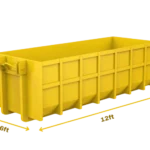
Sizing up makes sense when:
• debris includes drywall, shingles, or concrete
• the project scope may expand once started
• you want to avoid downtime waiting for a second bin
• disposal efficiency matters more than initial price
If you want to avoid overages and delays, it is usually smarter to size up once than haul twice.
For help choosing the right size for your specific project, you can book a bin rental with guidance from the Yellow Bin team and ensure your cleanup stays on track.
Choosing the right bin size is about planning, not guessing. By understanding debris volume, material weight, and project scope, you can save time, avoid extra fees, and keep your project moving efficiently.