
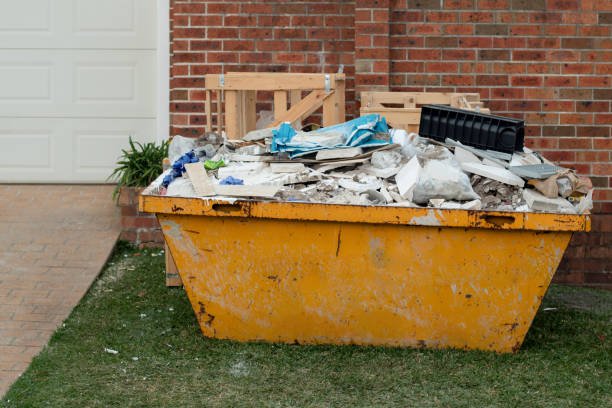

Overfilling a bin is one of the most common and expensive mistakes homeowners make during cleanups or renovations. If your load goes above the fill line or exceeds weight limits, the driver can’t haul it, and extra fees apply. The good news? It’s easy to avoid with a few simple loading guidelines.
Below, we’ll explain how overfilling happens, the risks involved, and how to load your bin properly so you stay safe and avoid unnecessary charges.
What Counts as Overfilling a Bin?
A bin is considered “overfilled” anytime debris extends above the top rim or when materials exceed the maximum weight limit for your bin size.
Even if the bin looks full but still sits below the rim, certain materials can push it over the legal weight limit.
Here’s what matters:
- Nothing can stick out above the top edge
- Material must stay level with the fill line
- Heavy items must stay within the weight limit
- Load must be safe and stable for transport
- The tarp must be able to close securely
If any of these are unsafe or impossible, the bin cannot be hauled and extra fees may apply.
Why Overfilling Is a Problem
Overfilled bins create serious issues for both you and the driver. Common problems include:
- Extra fees for unsafe loads
- Driver refusals — they legally can’t haul an overfilled bin
- Material blowing out during transport
- Risk of injury when debris shifts or collapses
- Fines tied to Edmonton waste transport rules
- Project delays when loads need to be rebalanced or removed
Overfilling usually happens because people underestimate how much debris they have, or they don’t load heavy items correctly.
Common Mistakes People Make
Here are the loading errors we see most often:
- Tossing everything in without organizing
- Letting items pile higher than the rim
- Not accounting for the weight of concrete, shingles, soil, etc.
- Putting heavy items near the top
- Trying to “fit one more thing”
- Not breaking down furniture or renovation waste
- Mixing materials that shouldn’t be combined
Most of these come from rushing the job but a few minutes of planning can prevent all of it.
How to Load Your Bin Properly
A few simple steps can save you time, money, and frustration.
1. Load heavy materials first
Concrete, sod, shingles, and soil should always go at the bottom.
This keeps the bin stable and prevents weight shifting.
2. Keep everything below the fill line
Nothing should stick out.
If it’s above the rim, remove it or order a larger bin.
3. Break items down
Cut, flatten, or dismantle:
- Furniture
- Cabinets
- Cardboard
- Drywall pieces
- Fence panels
You’ll fit far more inside the bin.
4. Distribute weight evenly
Avoid creating “mounds.”
Spread materials out so the load is level.
5. Stage debris before loading
This means putting everything in one spot first, so you can see how much you have.
It helps you avoid surprises and ensures you choose the right bin size.
Edmonton Fill Line & Weight Rules
Local disposal sites and transport regulations require:
- No material sticking above the bin walls
- Loads must be secure and tarp-able
- Certain heavy materials have strict tonnage limits
- Mixed loads (ex: dirt + concrete) have different weight rules
- Drivers must refuse unsafe bins
If your bin is too heavy, the landfill will charge overweight fees which we are required to pass along. Staying below the fill line and loading materials properly helps avoid these charges.
Avoid Extra Fees With Smart Loading
Overfilling is completely avoidable with the right loading strategy.
By keeping debris level, managing weight, and planning ahead, you’ll stay within regulations and avoid delays or extra costs.
If you’re not sure what size bin you need or what materials are allowed we’re always here to help.
Need the right bin for your cleanup? Contact YellowBin today.