
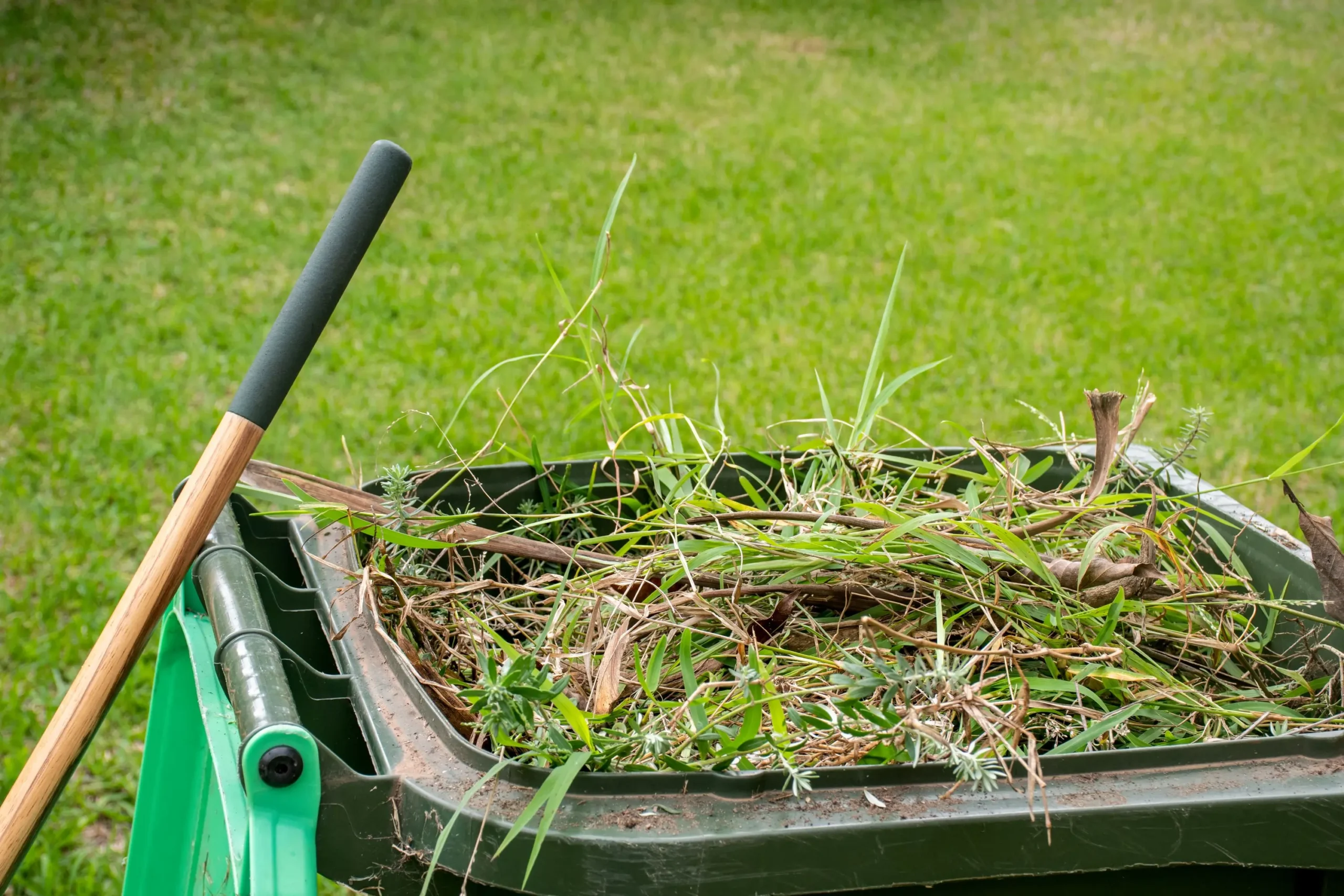

Landscaping projects create heavy materials, organic waste, and bulky debris. Choosing the right bin is a planning step, not a guess. Soil weight, branch volume, and disposal rules all affect which container works safely and efficiently. Yellow Bin uses this same approach when planning yard renovation waste in Edmonton.
Bin Sizes for Soil, Sod, and Dirt
Soil, sod, and clay weigh far more than they look. A bin can hit weight limits while still half full, so smaller containers usually work best for dense materials.
General guidance:
- 10 yard bins work best for soil and sod because weight limits come before volume limits
- Larger bins only work when soil mixes with lighter yard debris
- Full loads of dirt or rock in large bins often exceed hauling limits
Load weight evenly and keep material below the bin walls. Heavy material disposal planning is often arranged through local bin rental services.
Bins for Branches, Shrubs, and Tree Removal
Branches, shrubs, and tree pieces take up space but weigh less than soil. Volume fills the bin before weight becomes an issue.
Typical sizing:
- 15 yard bins handle shrub removal and medium branch loads
- 20 yard bins suit larger branch volumes or small tree removals
Cutting branches into shorter sections helps reduce air gaps and increases capacity.
Sod and Organic Yard Debris
Sod, leaves, and plant material behave differently from wood or soil. Sod includes soil weight, while leaves and grass are lighter but bulky. Lay sod flat instead of rolled to reduce empty space. Keep heavy root balls separate from lighter organic debris to prevent weight concentration.
Do not mix plastic, treated wood, or construction debris with organic waste because contamination changes disposal routing.
Concrete Pavers and Hardscape Removal
Concrete pavers, stones, and retaining wall blocks are dense and reach weight limits quickly. Smaller bins usually work best.
Key points:
- 10 yard bins are commonly used for concrete and rock
- Do not mix heavy masonry with soil unless rules allow it
- Break large pieces to spread weight more evenly
Mixed Yard Debris
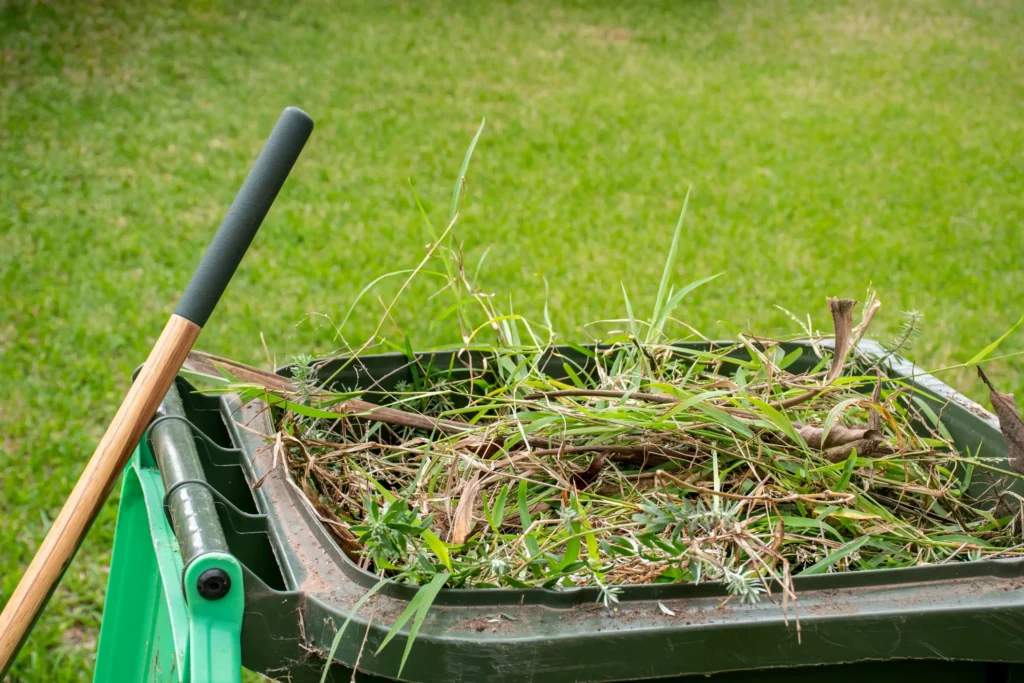
Landscaping overhauls often create mixed waste. Disposal rules differ by material, so planning matters. Keep heavy materials separate from lighter green waste to avoid weight problems and sorting charges.
Good separation also prevents restricted items from entering loads and causing delays.
Edmonton Yard Waste Disposal Rules
Disposal facilities separate organic waste, clean fill, and construction debris. Treated lumber cannot go with green waste. Plastic and synthetic materials must stay out of organic loads. Facilities handle clean soil differently than soil mixed with roots or debris.
If loads break these rules, facilities may charge extra handling fees. Customers often review disposal guidelines through providers such as Yellow Bin.
Materials Requiring Special Handling
Some materials cannot go in standard yard waste bins. These include treated wood, contaminated soil, asphalt, large construction debris, and hazardous materials.
Customers with unusual materials should contact the Yellow Bin team before booking service to confirm proper handling.