
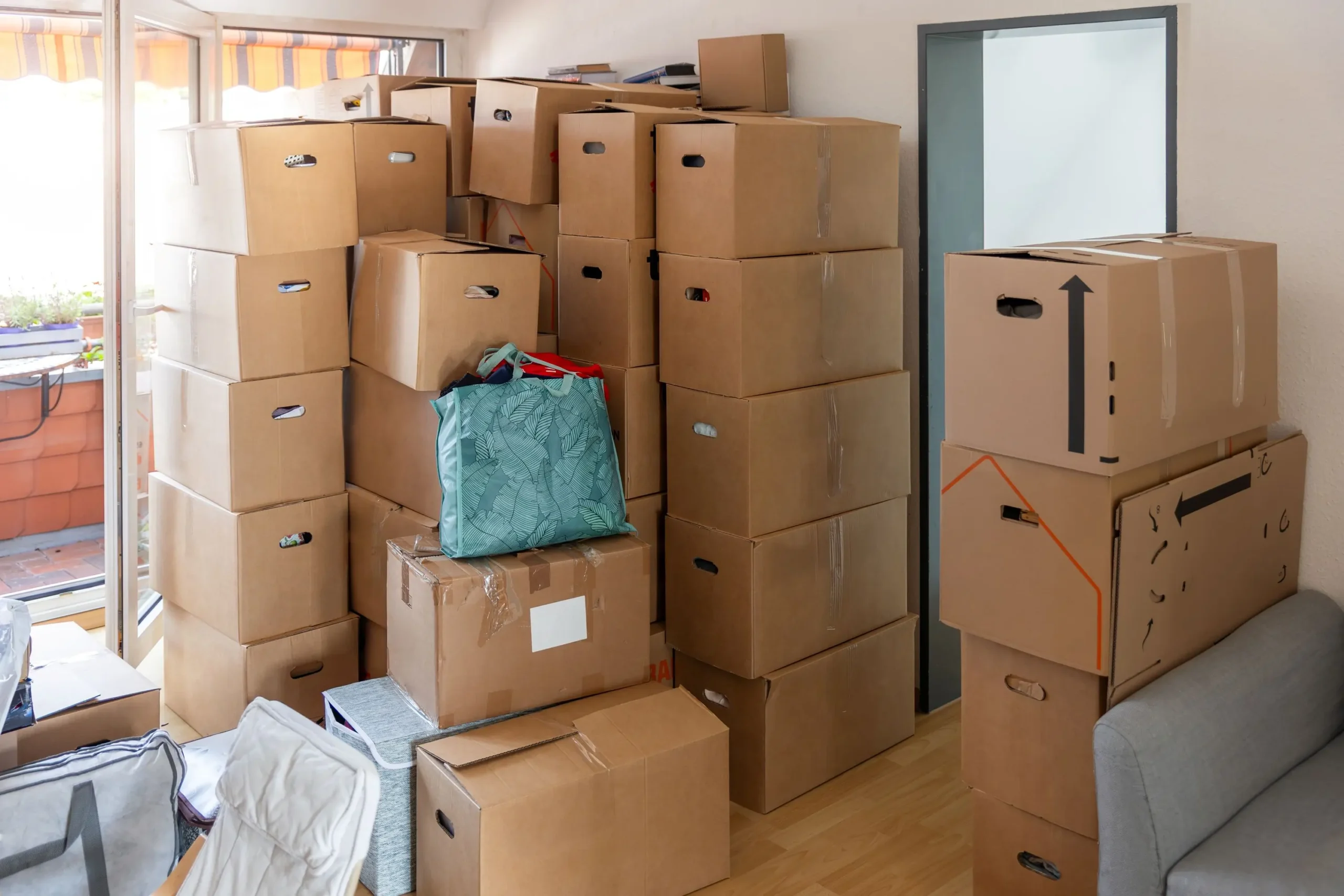

A pre move declutter removes unwanted items before packing begins. Using a disposal bin allows bulky items, accumulated storage contents, and non-packable debris to leave the property quickly, which helps keep walkways clear and packing areas organized. Choosing the right bin size depends on furniture volume and the amount of household junk being removed. This structured approach is how Yellow Bin supports residential cleanups during relocation projects.
Why a Bin Helps Before Moving
Moving often reveals how much unused material has accumulated over time. A bin allows you to remove bulk items immediately instead of storing them temporarily inside the home. Early removal prevents higher moving costs, reduces packing delays, and keeps access points clear for movers. Bin placement should allow safe driveway or access positioning so loading does not interfere with daily activity.
Common items removed include:
- Old furniture that will not move to the new property
- Broken shelving or storage units
- Worn mattresses and damaged household goods
- General junk from basements, garages, and sheds
Removing these items early creates more space for packing and reduces moving day workload.
Room by Room Declutter Strategy
Working in sections prevents overwhelm and helps track progress. Start with storage areas where unused items usually collect, then move into living spaces. Occupied homes may require staged decluttering so main living areas remain usable during the process. When multiple household members are involved, decision delays can slow sorting, so setting clear keep or discard rules helps maintain progress.
Many homeowners arrange temporary disposal support like Yellow Bin before beginning so waste leaves the property continuously instead of building up indoors.
Typical order:
- Basement and storage rooms
- Garage and outdoor sheds
- Spare rooms and closets
- Main living areas
Completing one space at a time helps keep waste organized and prevents re-sorting later.
Separating Donation and Disposal Items
Not all unwanted items belong in a waste bin. Separating reusable items before disposal reduces waste and supports donation programs. Usable furniture generally means items with intact structure and safe function, not pieces requiring repair.
Useful steps include:
- Create a donation pile before placing items in the bin
- Keep usable furniture separate from damaged pieces
- Box small household goods that can be donated
Stage donation items in a protected area so they do not mix with waste before pickup.
Timing Your Bin Rental With Moving Schedules
Scheduling the bin at the right time keeps the project efficient. Most decluttering happens after packing supplies arrive but before the final packing stage. Coordination with movers matters, as large item removal should finish before loading begins. If a move date shifts, pickup timing may need adjustment to avoid overflow or early removal.
General timing tips:
- Arrange delivery one to two weeks before moving day
- Finish large item removal several days before movers arrive
- Avoid leaving waste removal for the final day
What Cannot Go in a Bin
Certain materials require special handling and should not be placed in standard disposal bins. Appliances such as fridges or freezers often require separate handling due to refrigerants. Electronics typically fall under e-waste recycling streams rather than general disposal.
These often include:
- Hazardous household chemicals
- Paint and solvents
- Electronics requiring separate recycling
- Tires or automotive fluids
Checking restrictions in advance prevents pickup delays.
Avoiding Last Minute Waste Problems
Leaving unwanted items until moving day creates safety and logistical issues. Loose debris can block exits, delay movers, and increase risk of damage. Landlords or buyers may also require full debris removal before possession. Weather conditions such as snow or heavy rain can affect access and loading, so early removal reduces complications.
Keeping a disposal bin on site during the declutter period allows continuous removal instead of a single large cleanup at the end. For scheduling details or material questions, customers should contact the service team before their move date to avoid delays.